No fluff. No gatekeeping. Just straight answers on gear, technique, and what to actually expect when you walk through that gym door for the first time.
Every pick below is tested on real mats. We earn a small commission if you buy — at zero extra cost to you. It keeps this site free.
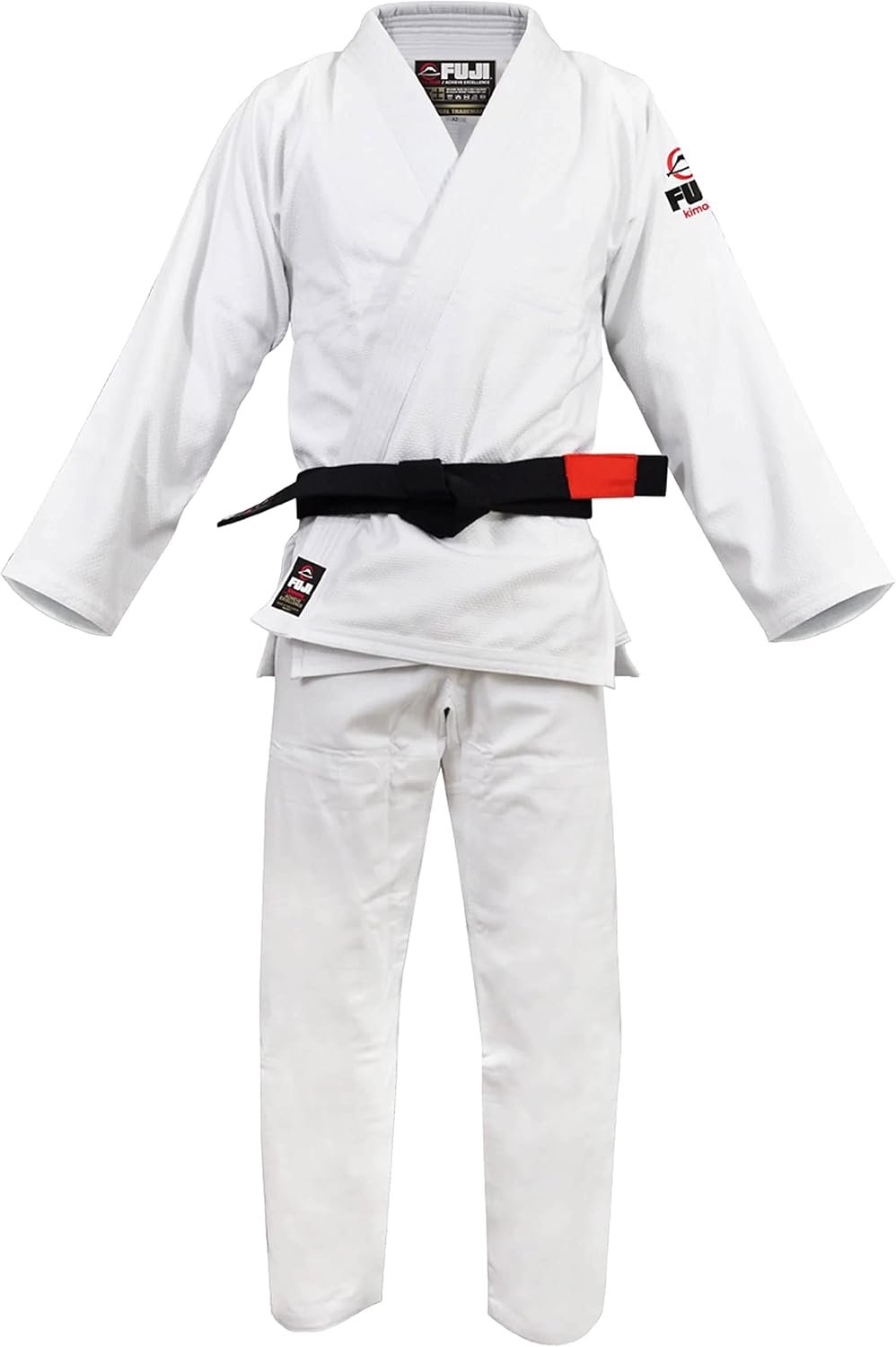
The gold standard for beginners. Durable, IBJJF legal, shrinks predictably, and won't blow out in your first month of hard drilling. Available in A0–A5.
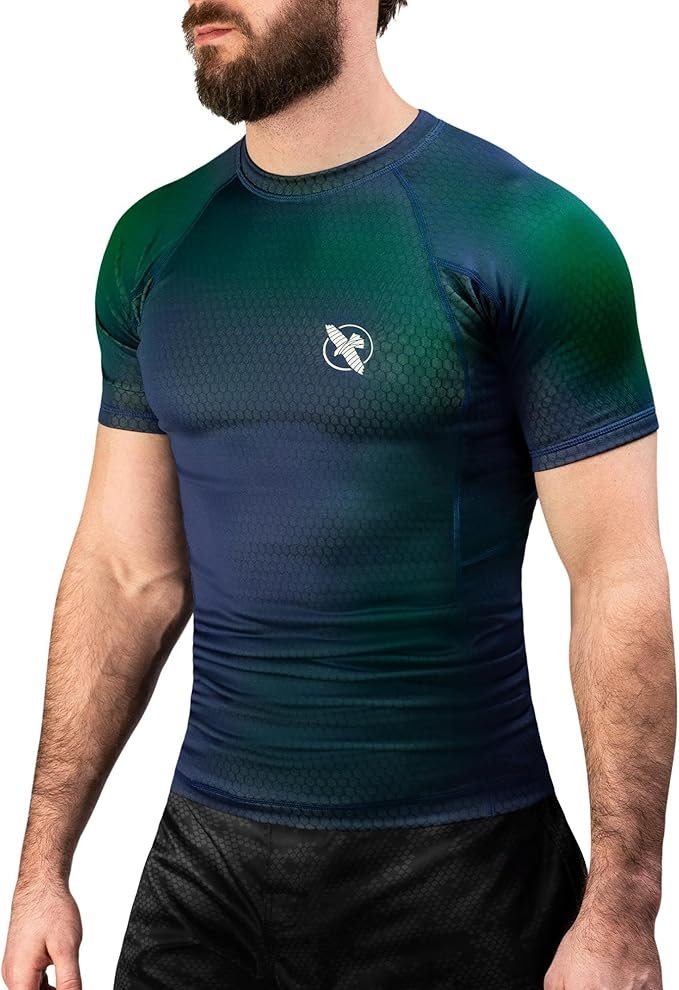
Compression rash guard that stays put during rolls. Protects skin and keeps you clean under the gi.
The no-gi standard. No snag pockets, flexible waistband, reinforced stitching where you need it.
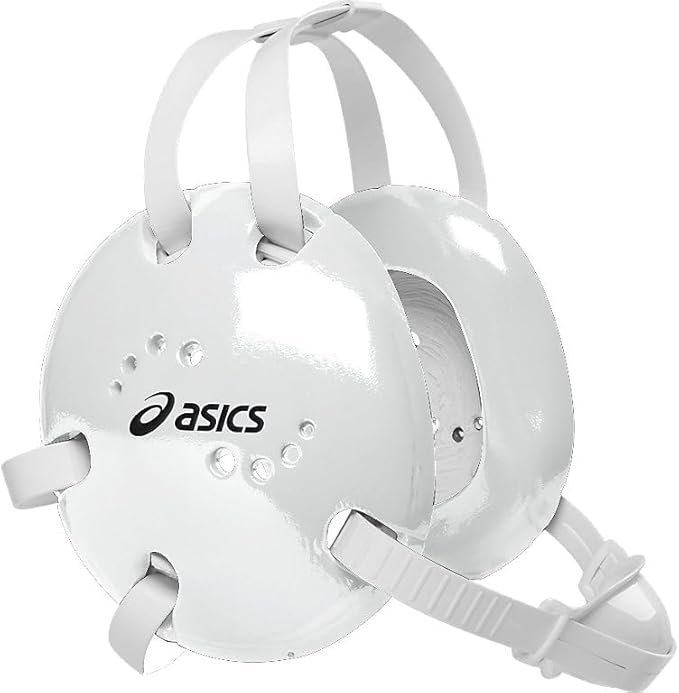
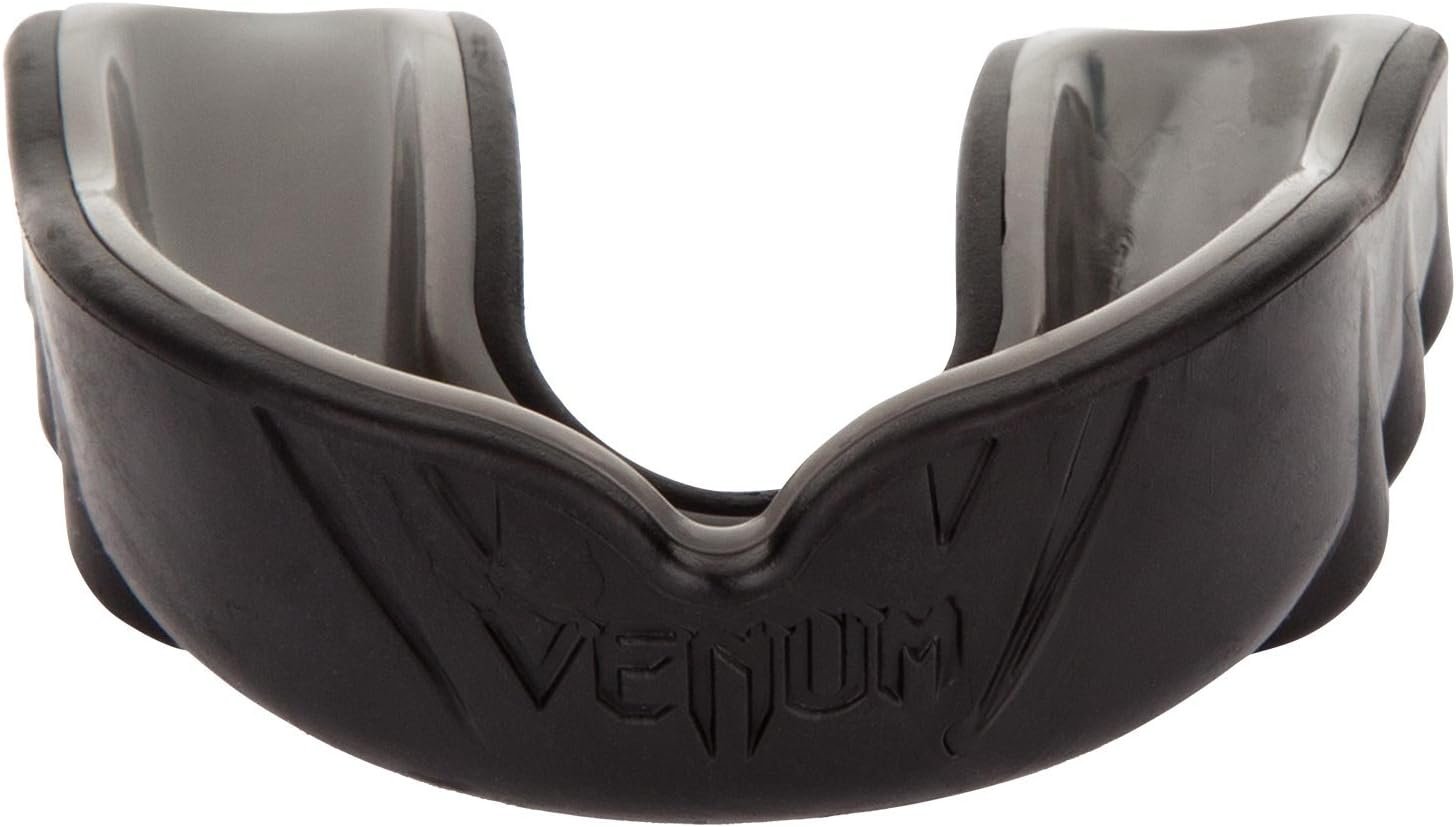
Protect your ears early. Cauliflower ear is forever. This guard is comfortable enough to forget you're wearing it.
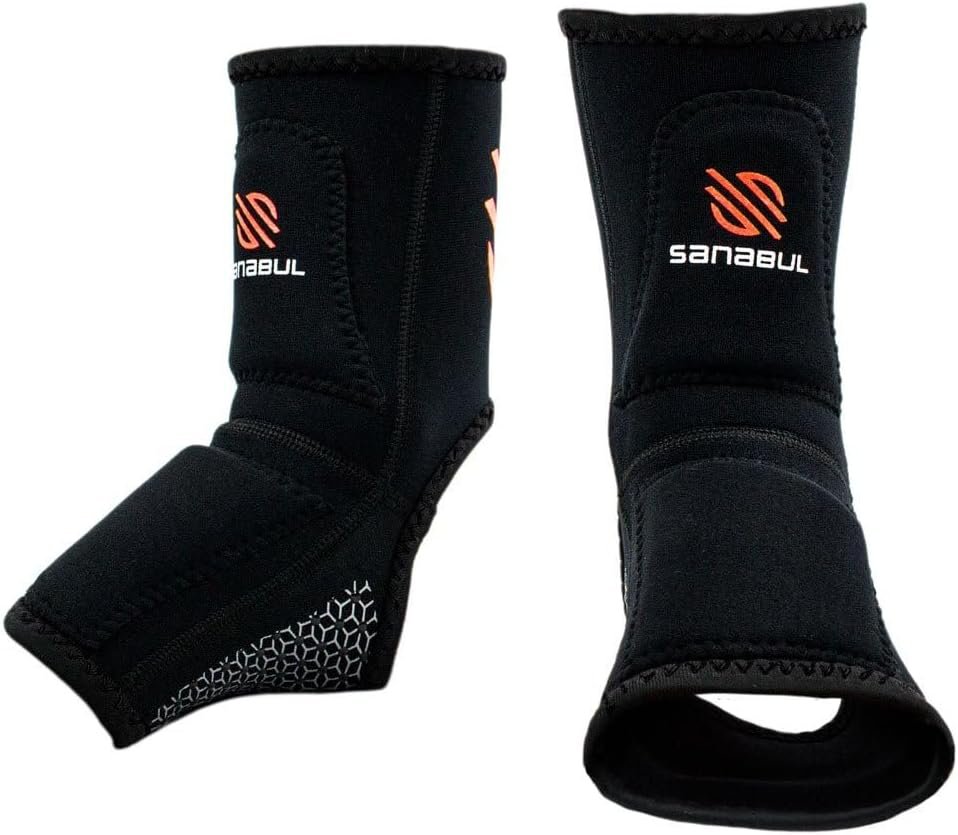
Low-profile ankle support for no-gi. Reduces sprain risk without limiting movement on the mat.
Vented compartment for your sweaty gi, padded pockets, fits everything a white belt needs and then some.
Written by someone who's been a white belt, survived, and has the cauliflower ear to prove it.
Everything you need to know before, during, and after your first class. From what to wear to how to tap early and tap often.
Size, weight, weave — here's what actually matters when buying your first gi and what to ignore.
Mount escape, guard retention, and the bridge. If you own these three, you'll survive any beginner class.
The tap is a tool, not a failure. Here's how to change your mindset and actually learn faster because of it.
The eternal debate, settled for beginners. The answer is simpler than you think.
BJJ's belt system is one of the most respected in martial arts. Here's what each rank actually means and how long it takes.
You're here. Everyone starts here. Your job is to show up, survive, and learn to defend. Don't worry about submissions yet.
You've survived the white belt gauntlet. You have a foundation of positions and can execute basic technique under pressure.
Intermediate. You're starting to develop a personal game. Often the teaching rank — purple belts frequently help lower belts.
Advanced. Technique is sharp. You're refining, not learning fundamentals. Many competitors peak here.
Mastery. One of the hardest black belts to earn in any martial art. A true black belt in BJJ is genuinely rare.
One email a week. New gear picks, a technique tip, and one beginner mistake to avoid. No spam, unsubscribe any time.